St. John’s College
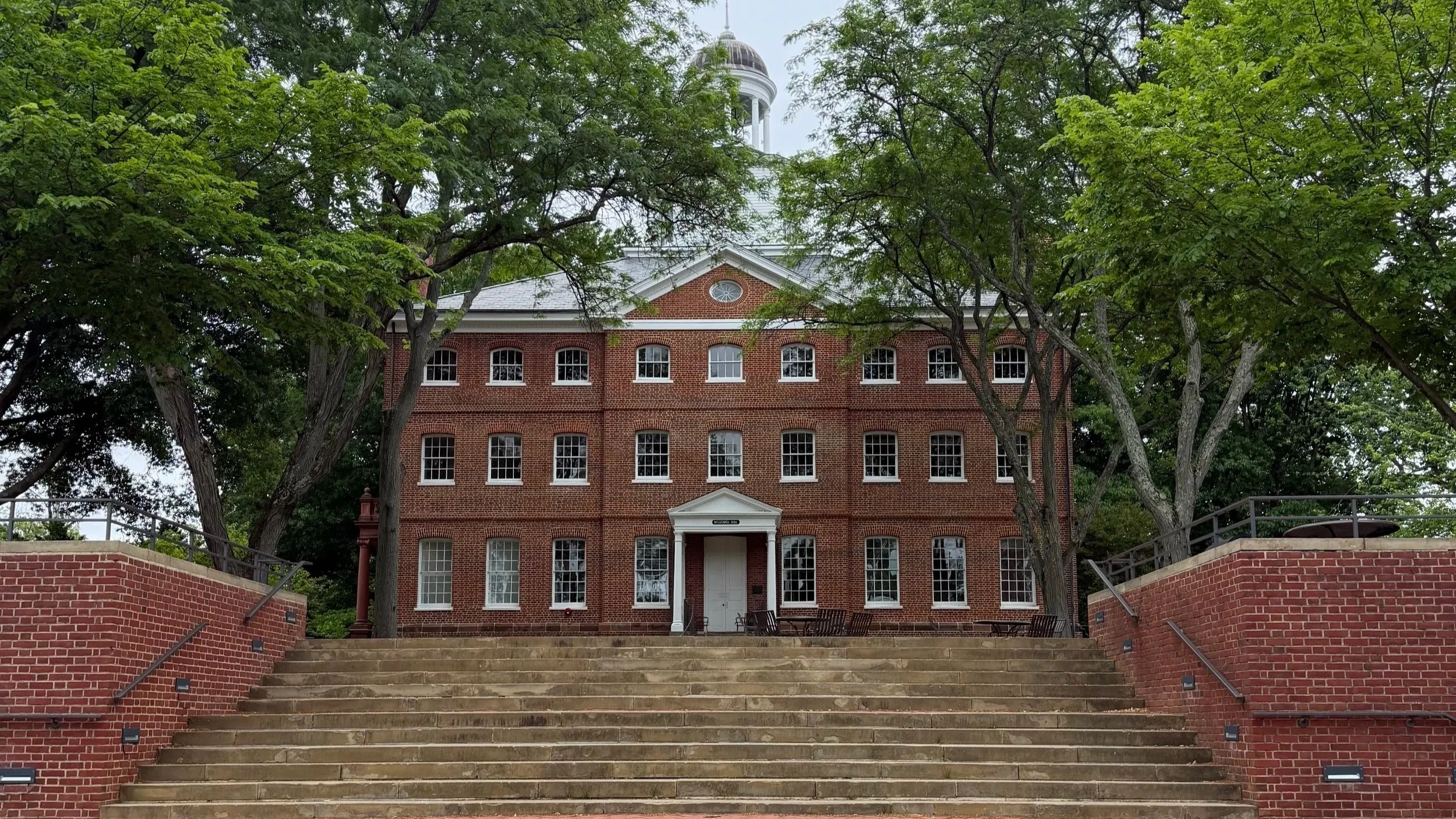
Known for its distinctive Great Books curriculum, St. John’s is one of the most intellectually unique and academically challenging colleges in the country. With campuses in Annapolis and Santa Fe, the college enrolls approximately 800 students, creating a close-knit academic community of students affectionately called “Johnnies.”
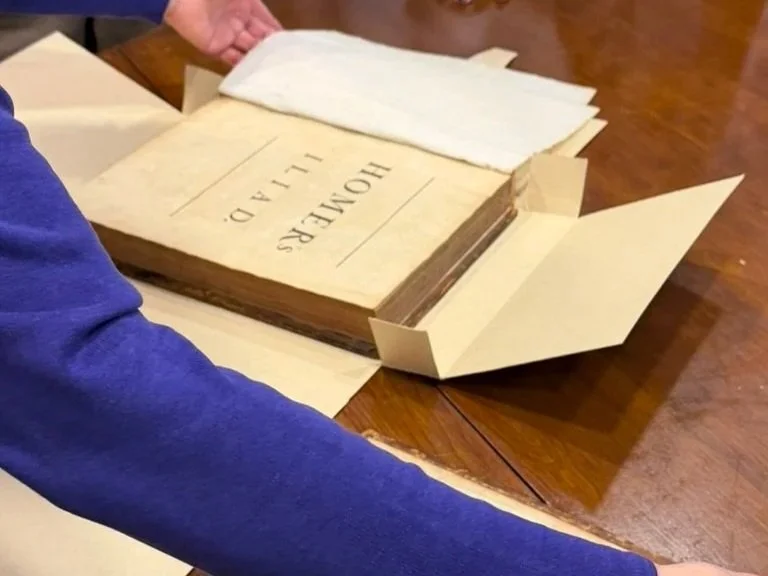
The curriculum was redesigned in 1937 around the idea that students should engage deeply with some of the most influential texts in human history. Every student studies the same approximately 200 books across four years. The reading list spans philosophy, literature, mathematics, political science, music and science, with works by thinkers and writers such as Homer, Plato, Euclid, Shakespeare, Jane Austen, Darwin, Einstein and W.E.B. Du Bois. The demanding nature of the curriculum led Forbes to describe St. John’s College as “the most rigorous college in America.” Although there are no majors to choose from, the college recently announced that the liberal arts degree will officially be recognized as a triple major in philosophy, literature and natural sciences to indicate the breadth of study. Juniors and seniors can customize their curricula with elective intensive literature seminars called “preceptorials”.
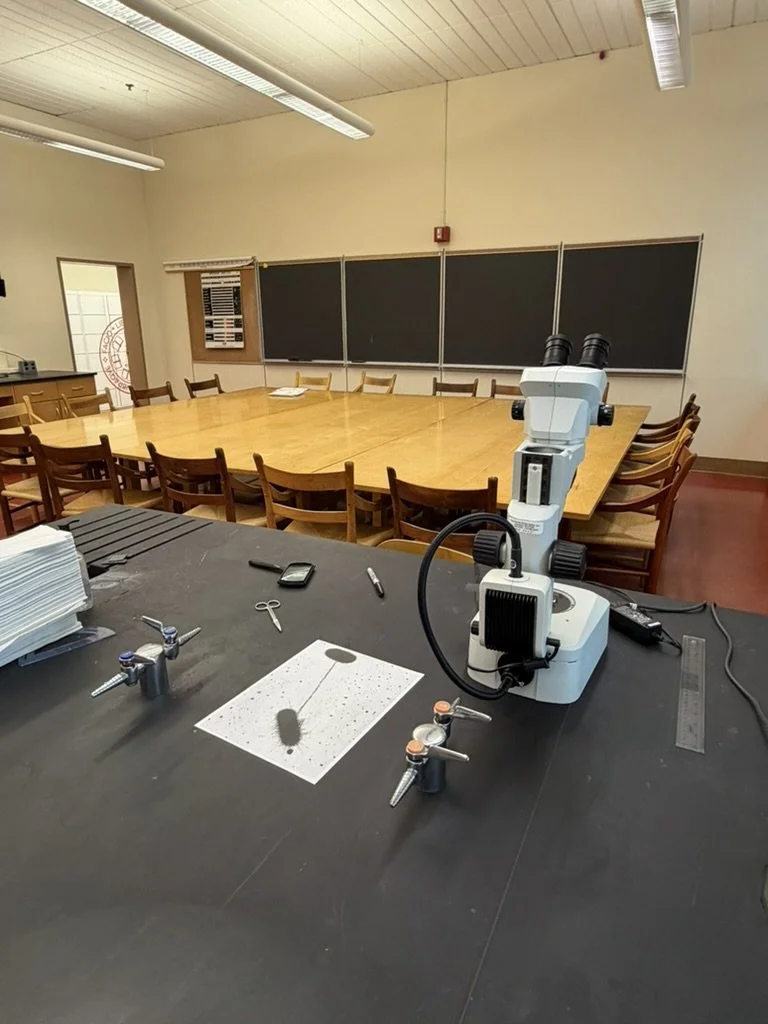
During our visit, it was immediately clear that students at St. John’s College genuinely love learning, ideas and collaboration. Each classroom, including the science labs, is built around a large conference table, and laptops are not allowed in order to promote seminar-style learning and discussion. Students are expected to question assumptions, challenge one another and sit with difficult ideas rather than simply memorize information. Professors are referred to as “tutors” because the academic environment is intentionally collaborative rather than top-down; tutors guide discussion instead of lecturing. They often teach outside their area of expertise so they can wrestle with questions alongside students. Tutors may allow students to struggle with difficult ideas rather than immediately stepping in with answers. For the right student, this struggle is part of the value of a St. John’s College education.
Academic feedback is unconventional; students do not receive grades on individual assignments or take traditional exams. Instead, feedback happens through extensive written comments, paper conferences and meetings with tutors. Once each semester, students attend a meeting where all of their tutors discuss their strengths and weaknesses in the third person while the student listens. Later, students can continue the conversation privately with their tutors. Students also complete self-evaluations as part of the process. Despite the lack of visible grades during the semester, official transcripts with course grades are ultimately provided for graduate school and employment purposes.
Academic feedback is unconventional; students do not receive grades on individual assignments or take traditional exams. Instead, feedback happens through extensive written comments, paper conferences and meetings with tutors. Despite the lack of visible grades during the semester, official transcripts with course grades are ultimately provided for graduate school and employment purposes.
Outside the classroom, the culture remains deeply intellectual and lively. Students often form independent study groups when they want to explore gaps in the curriculum. Music is part of every student’s education, and there are many opportunities for dance and artistic expression. About half of students participate in intramural sports, while varsity offerings include rowing, sailing, fencing and croquet.
The student body is small but diverse, with approximately 15% international students, 30% students of color, and 25% Pell Grant recipients. With an acceptance rate of around 50%, admissions at St. John’s is moderately selective, though the college places significant emphasis on finding students who are genuinely excited by its unique and rigorous curriculum.
St. John’s graduates are successful after college. The Career Development Office provides highly personalized support and encourages students to experiment with different paths through internships which are often funded by the college. Employers and graduate schools value the communication skills, intellectual curiosity and analytical thinking that students develop at St. John’s.
Who would thrive at St. John’s College?
This is not a college for students looking for a traditional university experience with dozens of majors, large lecture halls or clear pre-professional paths. Instead, it attracts students who genuinely love books, ideas, discussion and asking difficult questions. Students attend St. John’s College because they want meaning from their education. Johnnies are deeply curious, intellectually engaged and excited by big questions and meaningful conversation. They are comfortable with ambiguity, open to being challenged and motivated to learn for its own sake.
Notable Alumni:
Jac Holzman – Rock & Roll Hall of Fame record executive, founder of Elektra Records and Nonesuch Records, signed The Doors and Carly Simon
Francis Scott Key – Lawyer, author, poet whose poem “Defense of Fort M’Henry” was set to music and became the American national anthem “The Star Spangled Banner”
Lydia Polgreen – Award-winning Journalist for The New York Times, former editor-in-chief of HuffPost
Graham Harman – American philosopher known as the founder of Object-Oriented Ontology
Alice Ericsson – Innovative beauty and cosmetics advertiser, creator of the iconic CoverGirl tagline: “Easy, Breezy, Beautiful”
Ben Sasse – Former Republican US Senator from Nebraska, former president University of Florida
Ahmet Ertegun –Co-founder and former president of Atlantic Records, former chairman of the Rock & Roll Hall of Fame, signed The Drifters and Ray Charles
Wondering if this college belongs on your student's list?
Choosing the right colleges is one of the most important—and overwhelming—parts of the admissions process. After visiting more than 300 campuses and helping hundreds of families, The College Spy provides personalized guidance to help students build balanced college lists, develop strong applications and navigate the process with confidence.
Whether you need comprehensive college planning, a customized college list, individual essay assistance or application/essay support through one of our summer boot camps, we're here to help.
Schedule a complimentary consultation to find the program that's right for your family.