
How High School Students Can Prepare for a Career in Healthcare
/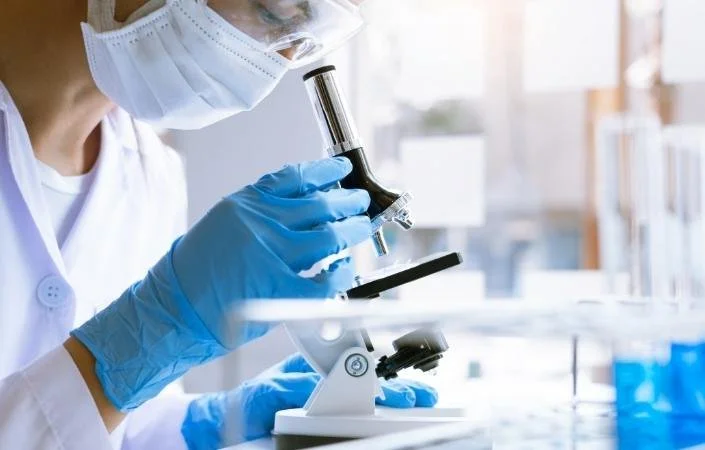
Doctor looking in microscope
Whether your student is interested in medicine, dentistry, veterinary medicine, nursing, occupational therapy, physical therapy or another healthcare career, graduate school is likely part of their educational journey. Because these programs are highly competitive, preparation begins long before students submit applications.
Strong pre-health students do more than earn high grades in science. They build habits, interests and experiences that demonstrate a sustained commitment to healthcare and service. They challenge themselves academically, explore healthcare careers early and take on meaningful service and leadership roles. These experiences prepare students for success in college and strengthen future graduate school applications.
The goal in high school is not to build a graduate school résumé. It is to develop curiosity, work ethic and a commitment to service that continues into college and supports long-term success in healthcare careers.
How to Prepare for a Career in Healthcare in High School
The following four areas are key for high school students interested in healthcare careers.
Strengthen Academic Readiness
Students should take the most rigorous STEM courses available, including biology (Honors/AP if offered), chemistry, physics, anatomy and physiology (if available) and calculus or precalculus. Strong performance in advanced science and math courses demonstrates readiness for rigorous pre-health majors in college. Humanities and social sciences also matter, since healthcare careers require strong writing, communication and critical thinking skills. Equally important are academic habits. Successful pre-health students develop strong executive functioning skills, including time management, organization and prioritization. They learn to study effectively, take strong notes, use office hours, participate in study groups and advocate for themselves when needed. These habits build the foundation for success in college-level science coursework and healthcare training.
Develop Scientific Curiosity
Healthcare professionals are naturally curious about how the body works and why illness and injury occur. They do not simply memorize information—they ask questions, solve problems and connect classroom learning to real-world medicine. High school students should take science each year, even beyond graduation requirements. They can also strengthen their preparation through online courses or community college classes. Outside the classroom, students can read about medical discoveries, listen to healthcare podcasts, watch science documentaries and participate in science clubs, competitions or research opportunities. Colleges look for students who are genuinely interested in science, not just those who earn strong grades. The goal is to begin thinking like a future healthcare professional.
Gain Meaningful Healthcare and Service Experience
Colleges and healthcare programs expect students to demonstrate real engagement with the field, not just interest in science. Students should seek experiences such as volunteering in hospitals, clinics or nursing homes; shadowing healthcare professionals; participating in EMT programs (where available); or working in caregiving environments such as rehabilitation centers or special needs programs. Research experiences and informational interviews can also provide valuable exposure. Certifications such as CPR, CNA or EMT can further demonstrate commitment. Service is equally important. Healthcare programs value sustained involvement in tutoring, food banks, disability support programs or youth mentoring. Depth matters more than quantity—students are better served by a few consistent, meaningful experiences than by a long list of short-term activities.
Learn to Communicate Purpose
Successful pre-health students can clearly explain why they are interested in healthcare and connect that interest to real experiences. It is not enough to say they want to help people or enjoy science—they must show how their experiences shaped that interest. High school is the time for students to reflect on what they are learning from volunteering, shadowing and caregiving experiences. These reflections help students understand how their goals are evolving and what draws them to healthcare careers. Strong applicants connect what they have done, what they have learned and who they are becoming. They demonstrate insight, self-awareness and the ability to reflect on experiences in a meaningful way.
Final Takeaway
There is no single checklist for preparing for healthcare careers. It is the accumulation of experiences that shapes a student’s path. What matters most is building strength in science coursework, a commitment to service, consistency over time and curiosity about healthcare and people. Students who develop these qualities over time build a strong foundation for success in both college and future healthcare programs.
The advice in this article applies broadly to students interested in healthcare careers, including nursing, dentistry, veterinary medicine, physical therapy, occupational therapy and many others. However, students who hope to become physicians often have additional questions about preparing for the long educational journey ahead.
If medicine is your student's goal, continue with How High School Students Can Prepare for a Career in Medicine, where we explore strategies and opportunities that can help aspiring physicians prepare for success.
How The College Spy Can Help
We would love to help your student understand the current admissions landscape, build a college list and write their college essays. Check out our packages for individuals and group workshops on our website: www.thecollegespy.com
-
Preparation can begin as early as freshman year of high school. Students do not need to choose a specific career path right away, but they can start building strong science coursework, exploring service opportunities and developing consistent academic habits.
-
There is no official “pre-med” major or set of high school requirements to become a doctor. However, students who are interested in medicine should take the most rigorous science and math courses available and begin building experiences that demonstrate commitment to healthcare and service.
-
Shadowing is not required, but it is highly recommended if available. It helps students confirm interest in healthcare and gain a realistic understanding of different medical careers.
-
The best activities show service, consistency and real engagement with helping others. Examples include hospital or nursing home volunteering, tutoring, caregiving roles, EMT training (if available) and community service tied to supporting others.
-
No, but meaningful exposure to healthcare—through volunteering, shadowing or related experiences—can strengthen a student’s application and demonstrate genuine interest in the field.
-
No. In fact, early high school is an ideal time to explore interests, build strong academic habits and try different service experiences without pressure to specialize too quickly.