
How to Find Queer-Friendly Colleges: A Guide for LGBTQ+ Students
/
LGBTQ+ students tell us they want to attend colleges where they don’t have to “edit” who they are. They want to live authentically without worrying about bias or judgment, and to be part of a campus community that doesn’t merely tolerate them, but truly values them. Unfortunately, not all queer students find supportive campuses where they feel safe and free to be themselves. Colleges are often criticized for:
- Administrators, faculty, and students using incorrect language and pronouns
- Unsafe or uncomfortable campus housing situations
- Homophobia or transphobia that leads to bullying, harassment, or even physical violence
- Mental and physical health services that are not trained or equipped to address LGBTQ+ needs
How do you find a campus where LGBTQ+ students can feel comfortable and thrive? The first step is knowing what to look for.
What makes a campus queer-friendly?
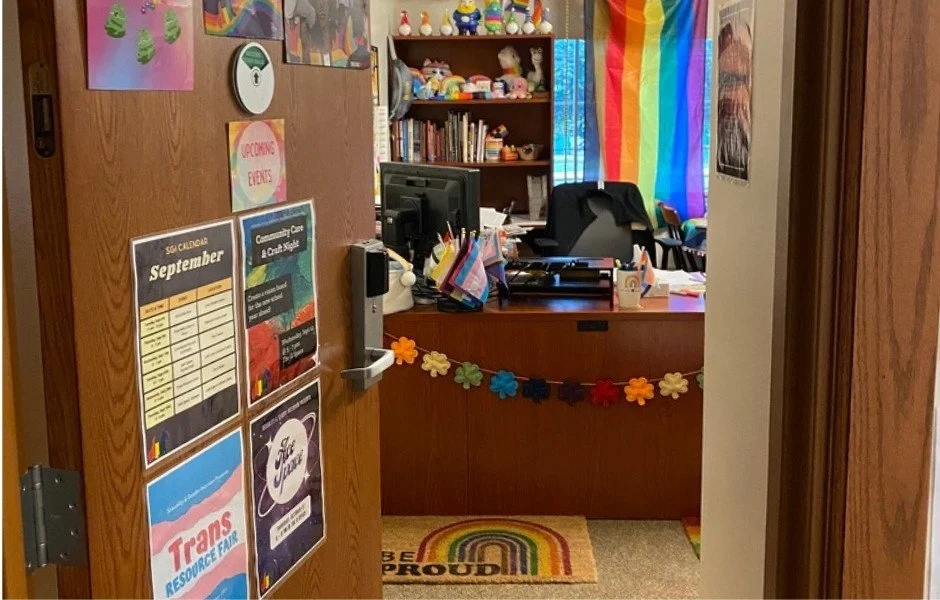
Comfort on campus begins with being seen, respected and safe. LGBTQ+ students feel most at ease in environments where their identities are recognized without explanation. Professors use correct names and pronouns, staff receive allyship training and peers show understanding and acceptance. Visible LGBTQ+ representation, such as Pride flags, inclusive language in syllabi and active campus organizations, signals that they belong. Students can easily find community through a Pride Alliance, an LGBTQ+ resource center or informal groups of supportive friends. Inclusive housing and bathrooms as well as accessible mental health and health services help students feel both physically and emotionally secure.
Most colleges and universities are actively promoting diversity and inclusivity on campus and have adopted anti discrimination policies based on sexual orientation and gender identity/expression. It should be noted that due to recent legislative and funding changes, there has been a decline in campus services at some schools.
How can a prospective student tell if a college is queer-friendly?
At The College Spy, we believe that nothing compares to in-person campus tours and information sessions. There is no better way to get a feel for a college than spending the day on campus amongst the students. We can’t stress enough the importance of visiting!
Whether you are visiting campus or doing online research, there are several important things to focus on.
Is there an active, visible LGBTQ+ campus community? Ideally, there should be a variety of student organizations and clubs geared towards LGBTQ+ students. These may include a student resource center, educational and emotional support, special interest/social clubs and advocacy groups. Keep an eye out for social events and programming for the community.
Do you see visible signs of pride? Walk around most college campuses and you are likely to see evidence of student activism and expression. Do you see flags, stickers or signage that indicate this campus is an LGBTQ+ friendly place?
What residential options are available? Check out the school’s residential housing options. Do they offer queer-friendly, gender-inclusive housing or LGBTQ+ residential communities? Are there gender-neutral restrooms in residence halls and in campus buildings?
Browse the school’s course catalog. Do they offer majors or minors related to LGBTQ+ studies or queer studies? Are there classes on gender issues, queer studies or diversity studies?
Research the college’s policies. Campus policies often reflect a school’s commitment to inclusion. The non-discrimination policy should include protection against discrimination based on sexual orientation and gender identity/expression. Look into the school’s policy on access to health services and pronoun usage.
Which LGBTQ+-friendly colleges does The College Spy recommend?
Colleges known to be supportive places for LGBTQ+ students can be found all over the country. Here are some recommendations to consider as you begin building your college list:
Northeast: Bard College, Ithaca College, University of Massachusetts, Montclair State University, Pennsylvania State University
Midatlantic/South: University of Maryland, Elon University, George Washington University, University of North Carolina
Midwest: Oberlin College, Macalester College, Ohio State University, Indiana University Bloomington
West: University of Washington, Harvey Mudd College, University of Colorado Boulder, San Diego State University
Can The College Spy help us find queer-friendly colleges?
Yes! We work with many queer students and prioritize colleges where they will feel accepted and welcome when building their college lists. Consider our List Building Package or our comprehensive Countdown to College Package—both can focus on identifying queer-friendly colleges alongside the other factors that matter most to your child.
-
A queer-friendly college is one where LGBTQ+ students feel seen, respected, and safe. This includes using correct names and pronouns, having trained and supportive faculty and staff, and fostering a campus culture of acceptance. Visible signs of inclusion, like Pride flags, inclusive language, and active student organizations, also signal that LGBTQ+ students are valued members of the community.
-
Feeling safe and accepted has a direct impact on a student’s well-being and ability to succeed. When LGBTQ+ students don’t have to “edit” who they are, they are more likely to engage socially, participate academically and build meaningful connections on campus.
-
Some students encounter issues such as incorrect pronoun usage, lack of inclusive housing, harassment or discrimination, and limited access to LGBTQ+-competent health services. These challenges can make it difficult for students to feel comfortable and supported.
-
Students should look for active LGBTQ+ organizations, visible signs of inclusion on campus, and accessible support systems like resource centers. It’s also important to review housing options, availability of gender-neutral restrooms, and campus health services that are inclusive and knowledgeable about LGBTQ+ needs.
-
Yes. Visiting campus—if possible—is one of the best ways to get a feel for the environment. Students can observe how inclusive the campus feels, see visible signs of support and get a sense of the community firsthand.