

6 Reasons to Take a Dual Enrollment Course, and 3 Reasons to Think Twice
/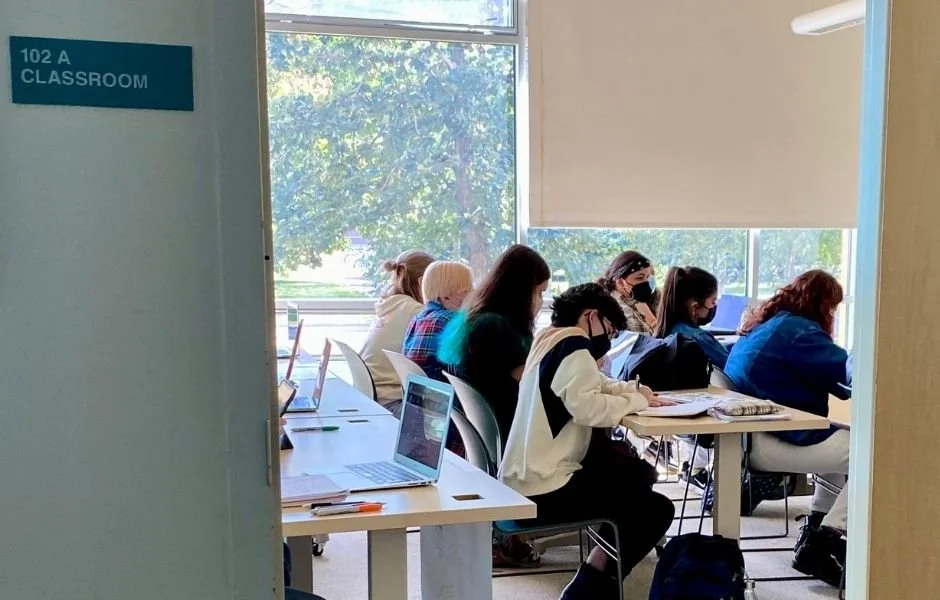
College classroom
What is dual enrollment?
Dual enrollment, also called dual credit, concurrent enrollment or college credit courses in some states and school districts, allows high school students to earn both high school and college credit by successfully completing a single course.
Dual enrollment courses can be offered at a student's high school, a community college, a four-year college or online. They may be taught by a college professor or by a high school teacher who has been approved by the partnering college to teach the course. Regardless of where the class is offered, students who successfully complete it earn college credit while they are still in high school.
Although the terminology varies by state, all of these programs share the same goal: giving students the opportunity to begin earning college credit before graduating from high school.
What is dual enrollment called in different states?
The terminology for dual enrollment varies across the country. While many schools simply call these courses dual enrollment, you may also see terms such as dual credit, concurrent enrollment or college credit courses. Some states have their own names for these programs, including Running Start in Washington, Postsecondary Enrollment Options (PSEO) in Minnesota and College Credit Plus in Ohio. In New York, many high schools participate in Syracuse University Project Advance (SUPA), a concurrent enrollment program offered through Syracuse University.
Will colleges accept dual enrollment credits?
One of the biggest advantages of dual enrollment is the opportunity to earn college credit before graduating from high school. However, students should not assume those credits will automatically transfer to every college.
Whether dual enrollment credits transfer depends on several factors, including the college that awarded the credit, the college the student ultimately attends, the grade earned in the course and whether the course is comparable to one offered at the receiving institution. Public colleges and universities within the same state are often the most likely to accept dual enrollment credits, while more selective colleges may accept fewer credits or decline to award transfer credit altogether.
Before enrolling in a dual enrollment course, students should review the transfer credit policies of the colleges they are considering. Understanding those policies in advance can help students make informed decisions about which courses are most likely to benefit them.
6 Reasons to Take a Dual Enrollment Course
Students who earn college credit during high school may be able to transfer those credits to the college they ultimately choose to attend. If the course satisfies a general education requirement, the student will have more time in their college schedule to explore other interesting classes, study abroad or internships. If the transferred credits satisfy a prerequisite, the student will likely be placed directly into a higher level course. Students who take several dual enrollment courses during high school may earn enough credits to graduate early or complete a double major in four years.
Dual enrollment courses are a cost-effective way to earn college credit because they are generally much less expensive per credit than equivalent courses taken while enrolled in college. In some situations, dual enrollment courses are subsidized or can even be free.
Taking a dual enrollment course can help you get into college. Academic rigor is one of the most important factors in getting accepted to college and admissions counselors are impressed by students who challenge themselves academically in high school. Since dual enrollment courses are college level courses, a student who normally takes regular high school classes (not honors or AP) can use dual enrollment courses to show a willingness to take on an academic challenge and demonstrate an ability for success at the college level.
Dual enrollment courses give high school students the opportunity to practice being college students. Students will enter college with a better understanding of a professor’s expectations and the amount of reading and writing required for an introductory level course.
If the course is offered at a local college, high school students will benefit from spending time on a college campus. This experience will likely ease the transition to college. Students will have the opportunity to interact with professors and teaching or graduate assistants. They will learn to navigate a campus and use a college library. High school students will also benefit from meeting and observing college students who may become friends, sources of information on college life and serve as role models.
Spending time on a college campus can assist students with the college search process. They will learn details about college life that will help them decide what kind of college would be a good fit for them. They will know what it feels like to attend a college of a certain size or in a certain location so their criteria for selecting a college will be more fully developed when they begin their college search. When they are later touring colleges, students will ask better questions and will have a context in which to place the answers they receive.
3 Reasons to Think Twice Before Taking a Dual Enrollment Course
Dual enrollment courses are not generally considered to be as rigorous as Advanced Placement (AP) courses, especially at selective colleges. Academic rigor is important in the college admissions process. Admissions counselors will study a student’s transcript and compare the courses the student chose to the courses offered at his/her high school. Selective colleges are looking for students who take the most rigorous courses available. If a student is planning to attend a selective college, AP courses will be more impressive to college admissions counselors than non-AP dual enrollment courses.
The college a student ultimately chooses to attend may not accept the transfer of credits earned in dual enrollment courses. More selective colleges may limit the number of dual enrollment transfer credits they accept or may deny them entirely.
Some high schools do not weight dual enrollment courses in the same way that they weight honors and AP classes when calculating a student’s grade point average (GPA). Therefore, students who typically take honors and AP classes could find that even an A in a dual enrollment course brings down their GPA. Ultimately, this may be more important to you than to the admissions counselors evaluating your application because they rarely take the GPA provided by the high school at face value, opting instead to recalculate applicants’ GPAs according to their own standards. Students should discuss their specific circumstances with their high school counselor before enrolling in a dual enrollment course.
Should You Take Dual Enrollment Courses?
Dual enrollment can be an excellent option for students who are ready for college-level work, but it is not the right choice for everyone. Before enrolling, students should consider their academic goals, the transferability of the credits, the rigor of the course and how the class fits into their overall high school schedule. Talking with a high school counselor and researching the policies of colleges on the student's list can help families make an informed decision.
How The College Spy Can Help
For more admissions insights, college planning tips, and invitations to upcoming webinars, be sure to subscribe to The College Spy's newsletter.
We would love to help your student understand the current admissions landscape, build a college list and write their college essays. Check out our packages for individuals and group workshops on our website: www.thecollegespy.com